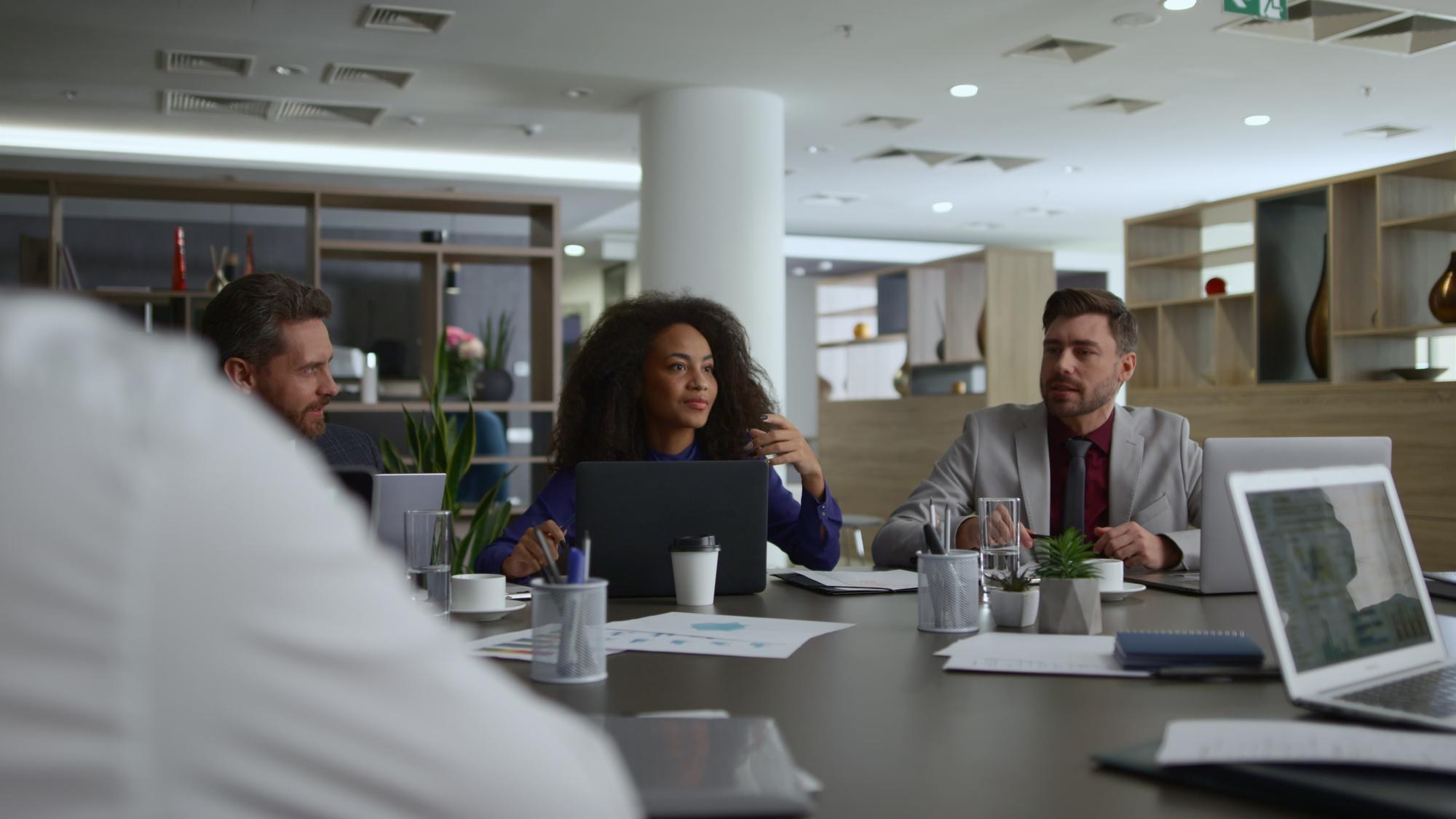
Unlocking the Power of Communication: Strategies for Building a Stronger Workplace
Effective communication is the backbone of any thriving workplace, yet it’s often overlooked amidst deadlines and daily tasks. When team collaboration is smooth, and employee engagement is high, the workplace buzzes with energy and productivity. But how do you keep the lines of communication open and flowing? Today, we’re diving into some actionable strategies for building stronger workplace communication that’ll have your team working together like a dream. Ready to see your office efficiency soar? Let’s get started! 🚀 Learn more about enhancing your communication skills.
Building Blocks of Communication

Strong workplace communication starts with the basics. To build a solid foundation, you need to focus on key elements that encourage understanding and collaboration among team members. In this section, we’ll explore the essentials of active listening and open dialogue, both of which play a significant role in fostering effective workplace communication.
Active Listening Techniques
Active listening is more than just hearing words; it’s about engaging fully with the speaker. To practice active listening, follow these steps:
Give full attention: Eliminate distractions and focus entirely on the speaker.
Reflect and paraphrase: Restate in your own words what you understand to show comprehension.
Ask clarifying questions: If something is unclear, ask questions that help both you and the speaker clarify the message.
For example, consider a manager who regularly practices active listening during team meetings. By reflecting on the team’s feedback and asking for clarification when needed, the manager ensures everyone feels heard and understood. This builds trust and encourages more open communication.
According to Harvard University’s communications blog, active listening can improve workplace dynamics by making team members feel valued and respected.
Encouraging Open Dialogue
Creating an environment where open dialogue is encouraged is crucial for effective communication. Open dialogue means team members can share ideas, feedback, and concerns without fear of judgment or reprisal. Here are some ways to encourage open dialogue:
Create a safe space: Foster an environment where everyone feels comfortable speaking up.
Be approachable: Leaders should model openness and encourage team members to do the same.
Provide regular opportunities: Set aside time for team meetings where open dialogue is the norm.
A company that values open dialogue may hold regular feedback sessions where employees can voice their thoughts freely. This practice not only enhances communication but also boosts morale and engagement, as noted by Workday’s blog.
Boosting Team Collaboration

Team collaboration is the lifeblood of any successful organization. By leveraging the right tools and setting clear expectations, you can enhance how your team works together. Let’s delve into how collaborative tools and clear expectations can drive better team outcomes.
Collaborative Tools and Platforms
Collaborative tools are essential for facilitating teamwork in today’s digital workplaces. These platforms allow team members to share files, communicate in real-time, and manage projects efficiently. Some popular tools include:
Slack: Real-time messaging and file sharing.
Trello: Visual project management.
Zoom: Video conferencing and meetings.
Implementing these tools can transform the way teams collaborate. For instance, Slack enables quick communication, reducing email overload and enhancing productivity. Choosing the right tool depends on your team’s specific needs and work style.
According to Join Blink’s insights, integrating collaborative tools can significantly improve communication and project management, leading to better team performance.
Setting Clear Expectations
Setting clear expectations is key to successful collaboration. When everyone knows what’s expected of them, it reduces misunderstandings and increases accountability. Here’s how you can set clear expectations:
Define roles and responsibilities: Clearly outline what each team member is responsible for.
Set measurable goals: Establish clear, attainable objectives with deadlines.
Communicate regularly: Keep everyone updated on progress and any changes.
Consider a team where each member knows their role and objectives. This clarity allows members to work efficiently towards common goals, leading to improved outcomes and higher team satisfaction.
Clear expectations, as highlighted by Penn State Extension, ensure that all team members are aligned and working towards the same objectives, which is crucial for successful collaboration.
Enhancing Employee Engagement

Employee engagement is a critical factor in workplace productivity and satisfaction. By recognizing contributions and fostering a positive work environment, you can boost morale and retain top talent. Let’s explore these strategies further.
Recognizing and Rewarding Contributions
Recognition and rewards are powerful motivators. When employees feel appreciated for their hard work, their engagement and productivity increase. Here’s how you can implement effective recognition:
Public acknowledgment: Recognize achievements in team meetings.
Personalized rewards: Tailor rewards to individual preferences.
Regular feedback: Offer constructive feedback and praise regularly.
For example, a company that regularly recognizes employee achievements may see an increase in motivation and loyalty. Employees feel valued, leading to higher engagement and retention.
The Michigan State University communication strategies emphasize that consistent recognition is linked to higher job satisfaction and performance.
Creating a Positive Work Environment
A positive work environment is essential for fostering employee engagement. It involves creating a culture where employees feel supported, motivated, and happy. Here are some strategies to create such an environment:
Promote work-life balance: Encourage flexible working arrangements.
Foster inclusivity: Celebrate diversity and ensure everyone feels included.
Encourage professional development: Offer training and growth opportunities.
Consider a workplace where employees have flexible schedules and access to professional development. Such an environment not only boosts engagement but also attracts top talent who value a supportive work culture.
As highlighted by Join Blink, a positive work environment leads to higher employee satisfaction and productivity.
Ready to transform your workplace communication? Sign up for our Positive Demeanor Training and receive a free Workplace Communication Guide to jumpstart your team’s success. 🌟