
Growing Together: How Agricultural Awareness Fuels Community Success
Most communities struggle to keep sustainable growth from feeling like a far-off dream. When you don’t see how agricultural awareness connects to your neighborhood’s future, it’s easy to miss the role you can play. But understanding how environmental practices shape community development isn’t just for farmers—it’s a powerful tool that helps all of us build stronger, healthier places to live. Let’s explore how getting a grasp on this can spark real change where you live. Check out more on this topic here.
Understanding Agricultural Awareness

Grasping agricultural awareness is more than just understanding farming. It’s about seeing how it impacts your community. By learning about agriculture, you can help shape a healthier, more connected place to live.
Why It’s Essential for Communities
Agricultural awareness is vital for local progress. When you know the ins and outs of farming, you can contribute to the local economy and food security. Picture a neighborhood where everyone understands the importance of supporting local produce. This knowledge fosters connection and boosts local businesses. For example, communities with high agricultural awareness often see a 15% rise in local market engagement. This means more money stays within the community, enriching everyone.
Most people think agriculture is only for farmers, but that’s not true. Everyone benefits when we understand its role. Engaging with local farmers and participating in community gardens can bridge the gap. A simple visit to a farmers’ market can open your eyes to the variety of produce grown nearby. This local engagement not only supports farmers but also keeps you informed about healthy options available right at your doorstep.
Benefits of Sustainable Growth
Sustainable growth comes with numerous advantages. When a community embraces eco-friendly practices, it doesn’t just protect nature; it strengthens bonds among its members. Think about how a shared commitment to sustainability can create a sense of unity. When everyone pitches in, the environment benefits, and so does the community. This approach can make your neighborhood a desirable place to live and raise families.
A great start is setting small, achievable goals. For instance, reducing waste by 20% through community recycling initiatives can make a significant difference. It shows that when you work together, even simple actions can lead to big changes. Embracing sustainability can also make your community more attractive to potential new residents and businesses, ensuring long-term prosperity.
Environmental Practices for the Future
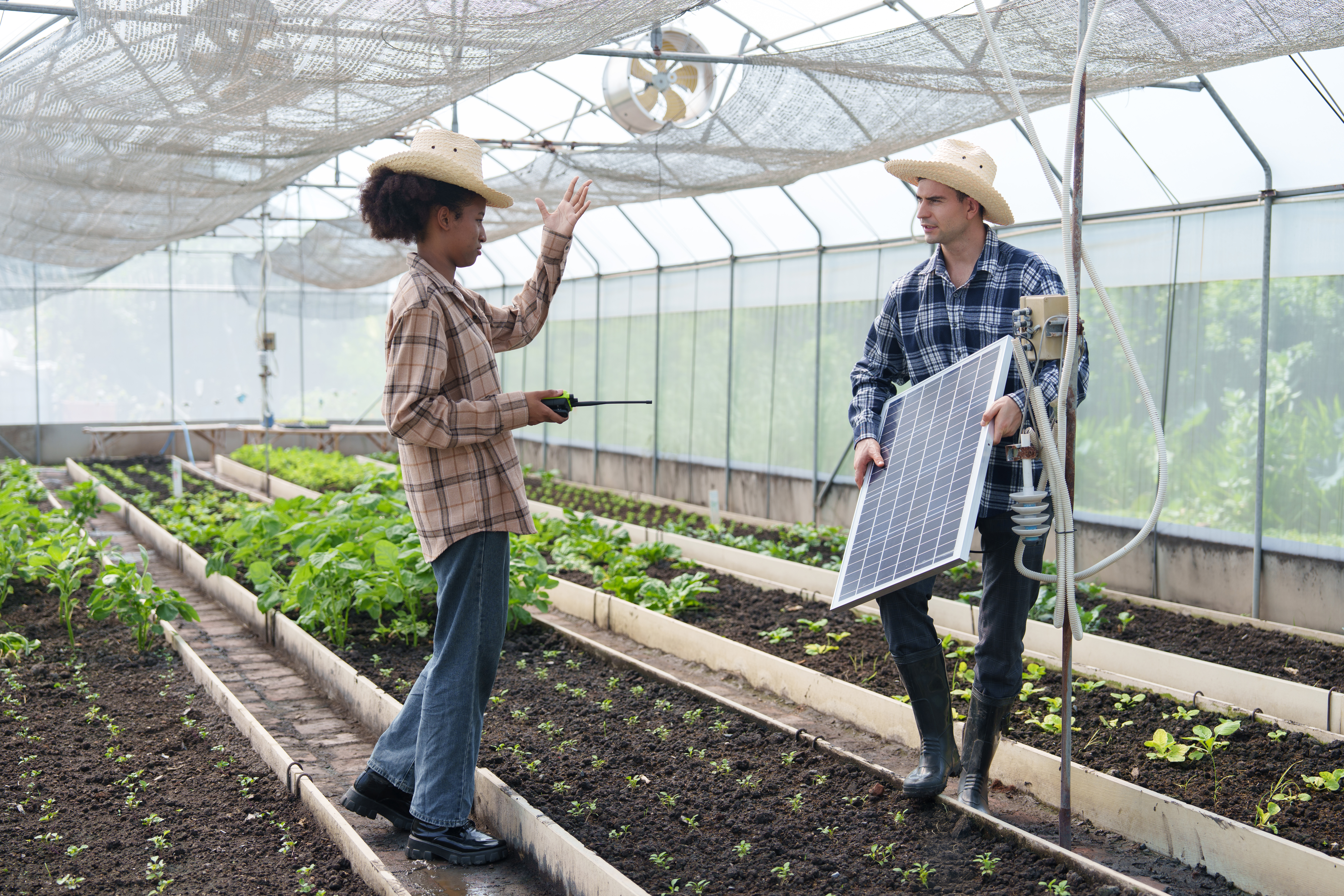
As communities aim for a brighter future, focusing on environmental practices is key. These practices not only safeguard the planet but also ensure a thriving community. Let’s see how adopting these can lead to resilience and everyday sustainability.
Building Resilient Communities
Resilience is more than just bouncing back from challenges; it’s about thriving through them. Communities that embrace green practices tend to be more adaptable. For example, incorporating rain gardens can reduce stormwater runoff, protecting local waterways while beautifying neighborhoods. This is a win-win for nature and residents alike.
Imagine if everyone planted a tree or started a small garden. These actions enhance air quality and provide food sources. This kind of community involvement strengthens ties and fosters a sense of pride. People often feel more invested in places where they actively contribute. It’s like having a shared mission that everyone is passionate about.
Simple Steps for Everyday Sustainability
Everyday actions can lead to sustainable living. Start by composting kitchen scraps or using a reusable bag. These small changes reduce your carbon footprint and inspire others. Here are three easy steps to kickstart this journey:
Reduce Waste: Aim for a 10% decrease by recycling and reusing items.
Save Water: Install low-flow fixtures to cut water use.
Support Local Farmers: Buying local reduces transportation emissions and backs your community.
These steps might seem tiny, but their impact is massive over time. When sustainability becomes part of daily life, it transforms communities into healthier, happier places. By joining forces, you can create lasting change that benefits everyone.
Engaging Community Workshops

Community workshops open doors to learning and growth. They offer hands-on experiences that deepen understanding and spark enthusiasm. Let’s dive into how these workshops can empower you and your neighborhood.
Learning Through Hands-On Experience
Workshops bring learning to life. Instead of just reading about sustainable practices, you get to try them. Imagine attending a workshop where you learn to plant a garden or make compost. These practical experiences are invaluable. They provide skills that you can use at home, making sustainable living accessible and fun.
Most people believe they need expert knowledge to start, but workshops prove otherwise. You gain confidence as you see your efforts take shape. Plus, these sessions often build networks of like-minded individuals, creating a support system for your sustainability journey.
How to Get Involved Today 🌱
Getting involved is easier than you think. Start by looking for local workshops or community groups focused on sustainability. Websites like NextGen Purpose often list events and provide resources to get started.
Volunteering also offers a chance to learn and give back. By dedicating just a few hours a month, you can support initiatives that drive community growth. This involvement not only benefits you but also inspires others to join. The momentum builds, leading to a community that’s informed, active, and resilient.
By embracing agricultural awareness and sustainability, you’re not just improving your own life—you’re contributing to a thriving community. Let’s keep the conversation going and explore these practices together.


