
Eco-Friendly Choices Start with Knowledge: The Surprising Benefits of Agricultural Awareness
Most people don’t realize how much their daily choices affect the environment. When you understand agricultural awareness, suddenly eco-friendly choices start to make sense—and they become easier to stick with. Let’s explore how learning about sustainable farming can shrink your environmental impact and bring your community closer together. Ready to see how knowledge can lead to real change? Learn more about sustainable agriculture here.
Understanding Agricultural Awareness
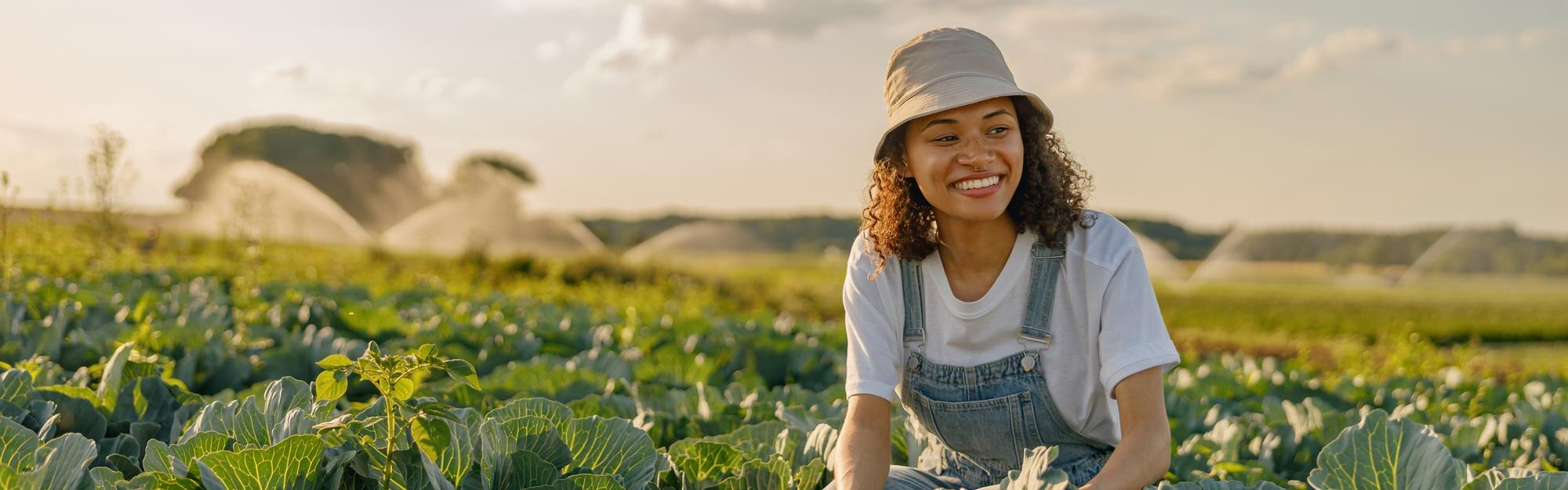
Agricultural awareness is more than just a buzzword; it’s the foundation for making informed, eco-friendly choices. By understanding how your food is grown and produced, you can make decisions that benefit both the environment and your community.
Why It Matters
Agricultural awareness matters because it connects you to the source of your food. When you know where your food comes from, you’re more likely to support practices that are kind to the planet. For example, did you know that choosing locally-sourced produce can reduce carbon emissions by up to 5%? This is because local food travels shorter distances, cutting down on fuel consumption.
When you learn about agriculture, you also understand the importance of biodiversity. A diverse ecosystem supports various plant and animal life, which in turn supports a healthier planet. Plus, awareness empowers you to advocate for sustainable practices, leading to a cleaner, greener world. So, the next time you shop, think about how your choices make a difference.
Impact on Eco-Friendly Choices
The impact of agricultural awareness on eco-friendly choices is profound. Once you understand how agriculture affects the environment, you can start making small changes that add up. For instance, opting for organic foods means supporting farming methods that avoid harmful pesticides and fertilizers. This not only protects the planet but also safeguards your health.
Moreover, when you choose products with eco-friendly labels, you’re supporting farmers who prioritize sustainability. Most people think going green is costly, but simple shifts, like reducing meat consumption, can decrease your carbon footprint significantly.
Here’s the key insight: every eco-friendly choice you make contributes to a healthier planet. The longer you wait to act, the more challenging it becomes to reverse environmental damage. So, why not start today?
Sustainable Farming Basics
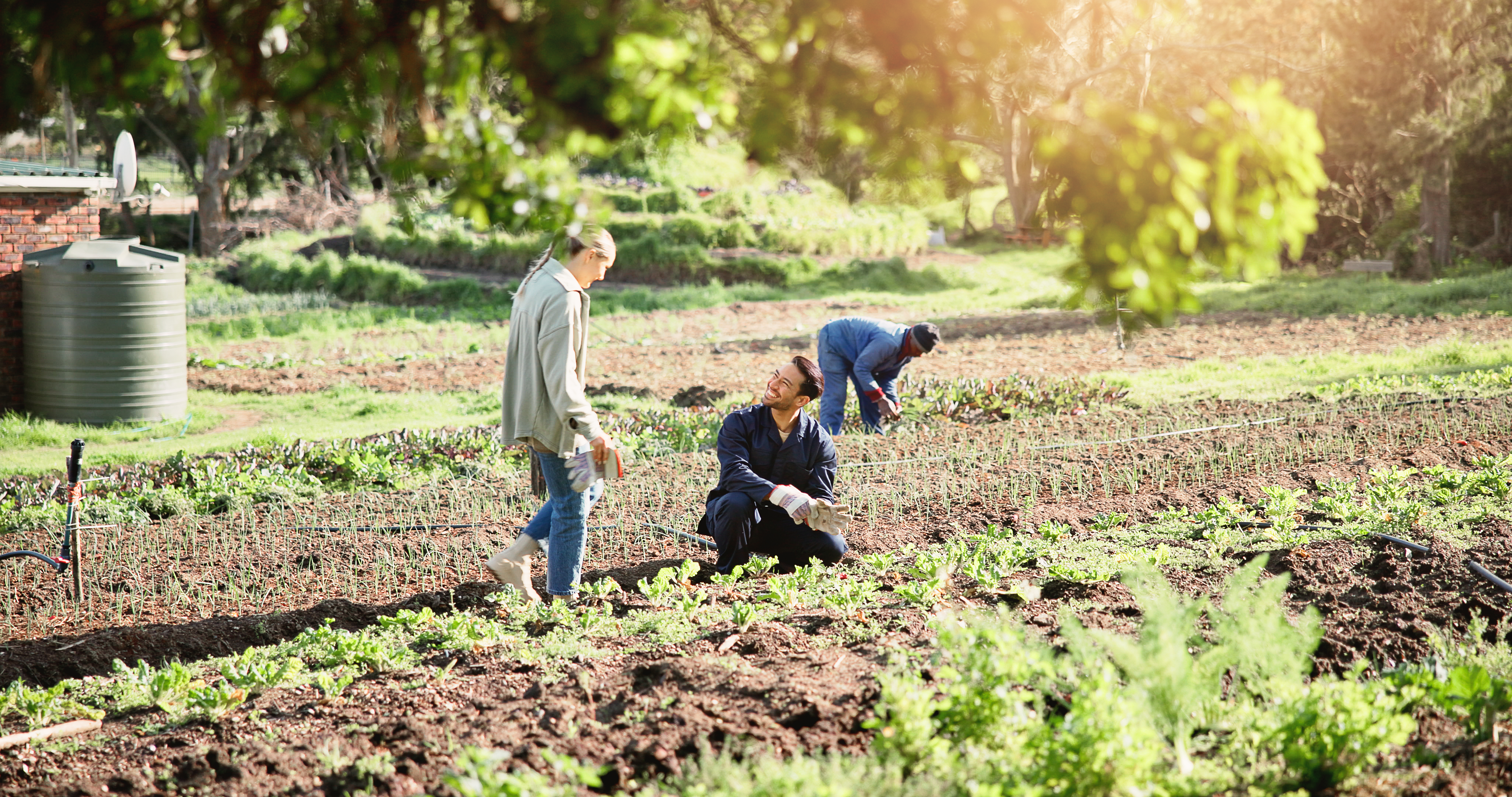
Sustainable farming is a game-changer in agriculture. It focuses on practices that maintain soil health, conserve water, and reduce pollution. By understanding these principles, you can better appreciate the food you eat and the communities that produce it.
Principles and Practices
Sustainable farming relies on key principles that promote environmental health. It involves crop rotation, which prevents soil depletion and keeps farmland fertile. Farmers also use compost and organic matter to enrich the soil naturally. This reduces the need for chemical fertilizers, which can harm the environment.
Water conservation is another crucial aspect. Sustainable practices include rainwater harvesting and drip irrigation, which use water wisely. A staggering 70% of global water use goes to agriculture, so these methods make a big difference.
Curious about how these practices work in real life? Farmers often share stories of increased yields and healthier crops when they switch to sustainable methods. This proves that eco-friendly farming isn’t just good for the planet—it’s good for business too. Explore more on sustainable agriculture here.
Environmental Impact
The environmental impact of sustainable farming is substantial. It reduces greenhouse gas emissions and helps combat climate change. For example, sustainable farms often use less machinery, which means fewer emissions from fossil fuels. This approach also encourages the use of renewable energy sources, like solar or wind power.
Most people believe that traditional farming practices are sufficient, but sustainable methods offer a more balanced solution. They protect natural resources, ensuring that future generations can enjoy a healthy planet.
The takeaway? Sustainable farming is a powerful tool against environmental decline. By supporting these practices, you’re contributing to a global effort to preserve our world.
Engaging Community Workshops

Joining a community workshop on agricultural awareness can be a fun and enlightening experience. These workshops offer a chance to learn, share, and grow with others who are passionate about sustainability.
Benefits of Participation
Participating in community workshops offers numerous benefits. First, they provide hands-on learning experiences, allowing you to see sustainable practices in action. This real-world exposure helps solidify your understanding and makes it easier to apply what you’ve learned to your daily life.
Workshops also foster a sense of community. You’ll meet like-minded individuals who share your commitment to eco-friendly living. Together, you can brainstorm ideas, share experiences, and support each other in achieving sustainable goals.
Most people feel isolated in their sustainability efforts, but community workshops break down those barriers. They remind you that change is a collective effort, and every small action counts.
Early Registration Incentives
To encourage participation, many workshops offer early registration incentives. These might include discounted fees, exclusive materials, or priority access to events. By signing up early, you not only save money but also secure your spot in these sought-after programs.
The longer you wait, the more likely you are to miss out on these valuable opportunities. Early registration ensures you can take full advantage of everything the workshop has to offer. Plus, it shows your commitment to learning and growing within your community.
In conclusion, agricultural awareness is key to making informed, eco-friendly choices. By understanding sustainable farming and engaging with your community, you can contribute to a healthier planet. Ready to take the next step? Join a workshop and see the impact for yourself.


