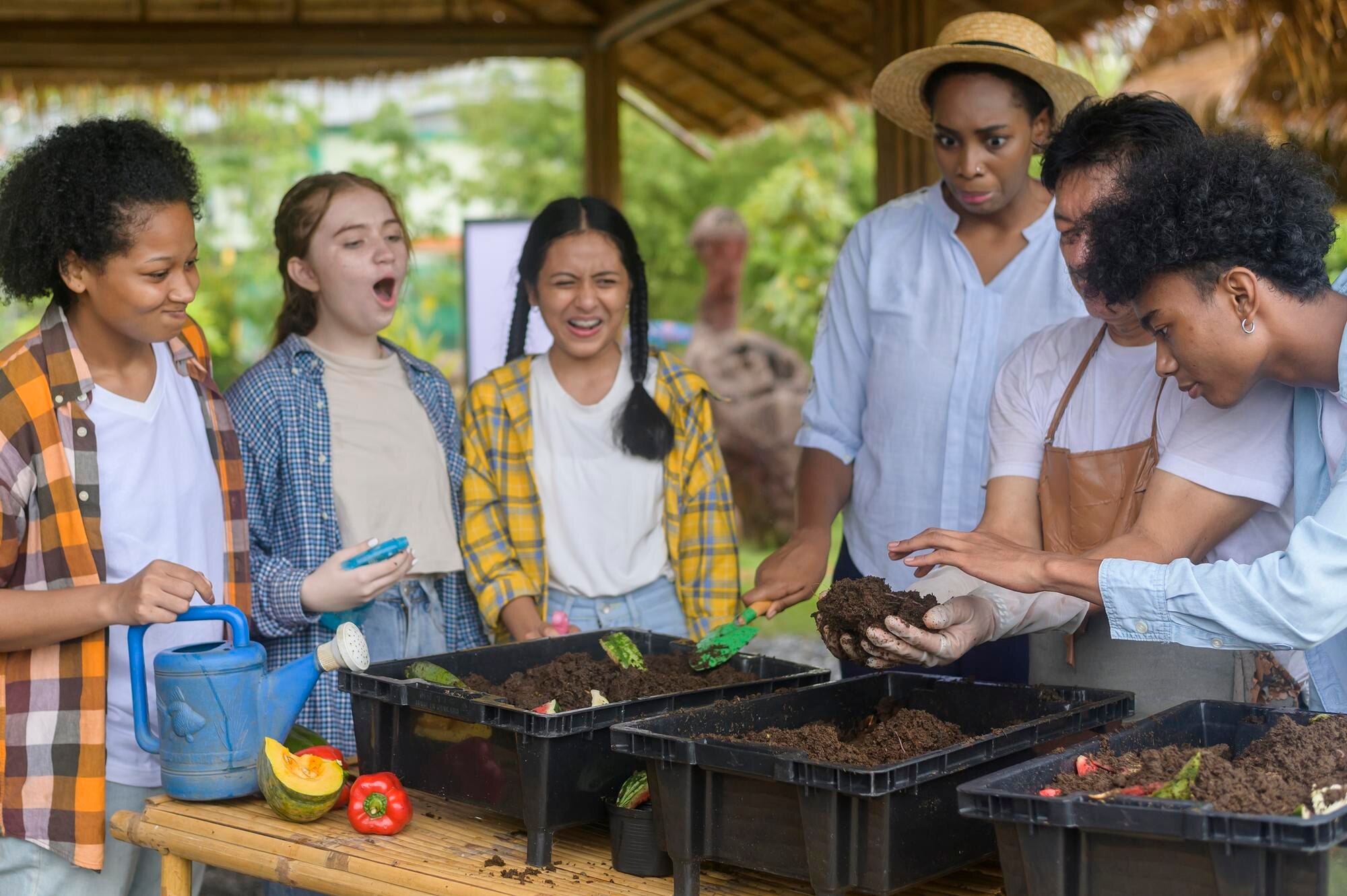
Cultivating Green Minds: How to Support Agricultural Awareness Locally
In today’s fast-paced world, reconnecting with the roots of our food and fostering agricultural awareness has never been more important. Whether you’re a business, a parent, or part of a community organization, everyone can play a role in supporting local farming and sustainability. Imagine the impact we can have by promoting agricultural education in our communities, empowering the next generation to appreciate where their food comes from. Courtesy Grows is here to help you get started with engaging workshops and seminars that are perfect for anyone eager to learn more about agriculture. Ready to make a difference? Let’s explore how we can cultivate green minds together! 🌱 Learn more about supporting local agriculture here.
Engaging Local Communities

Engaging local communities is key to fostering agricultural awareness. By creating opportunities for hands-on learning and direct interaction with farming practices, we can build a more informed and supportive community. Let’s dive into some effective methods to bring people together around agriculture.
Host Interactive Workshops
Interactive workshops are an excellent way to engage community members of all ages. These sessions can cover topics such as sustainable farming techniques, organic gardening, or how to start a home vegetable patch. Participants get to learn by doing, which can be both fun and educational. Workshops can be tailored to fit the interests and skill levels of the attendees, ensuring everyone leaves with valuable knowledge and practical skills.
Consider this example: A local community center partnered with Courtesy Grows to host a series of workshops on composting and water conservation in gardening. Participants not only learned about these practices but also implemented them in their community garden, resulting in a 30% reduction in water usage.
Make it hands-on: Encourage participants to bring their gardening tools and get their hands dirty.
Invite experts: Collaborate with local farmers or agricultural educators to provide depth and expertise.
Follow up: Offer resources and support for attendees to continue learning after the workshop.
By hosting workshops, communities can connect, learn, and become advocates for sustainable agriculture.
Learn more about supporting local farmers through workshops here.
Organize Farm Visits
Farm visits allow community members to experience the agricultural world firsthand. These excursions provide a unique opportunity to learn about farming operations, see sustainable practices in action, and understand the challenges farmers face. They can also strengthen the bond between local farms and the community, enhancing support for local agriculture.
During a visit to a local organic farm, participants might see how crop rotation benefits the soil, or how free-range livestock are raised. Such experiences can demystify farming processes and inspire individuals to adopt more sustainable practices in their daily lives.
Plan diverse activities: Include a variety of farm tasks like planting seeds or feeding animals.
Facilitate discussions: Allow farmers to share their stories and answer questions.
Promote farm products: Encourage visitors to support the farm by purchasing fresh produce.
Organizing farm visits can cultivate awareness and appreciation, leading to a stronger community connection to local farming.
Explore ways to organize farm visits and support local farmers.
Empowering the Next Generation
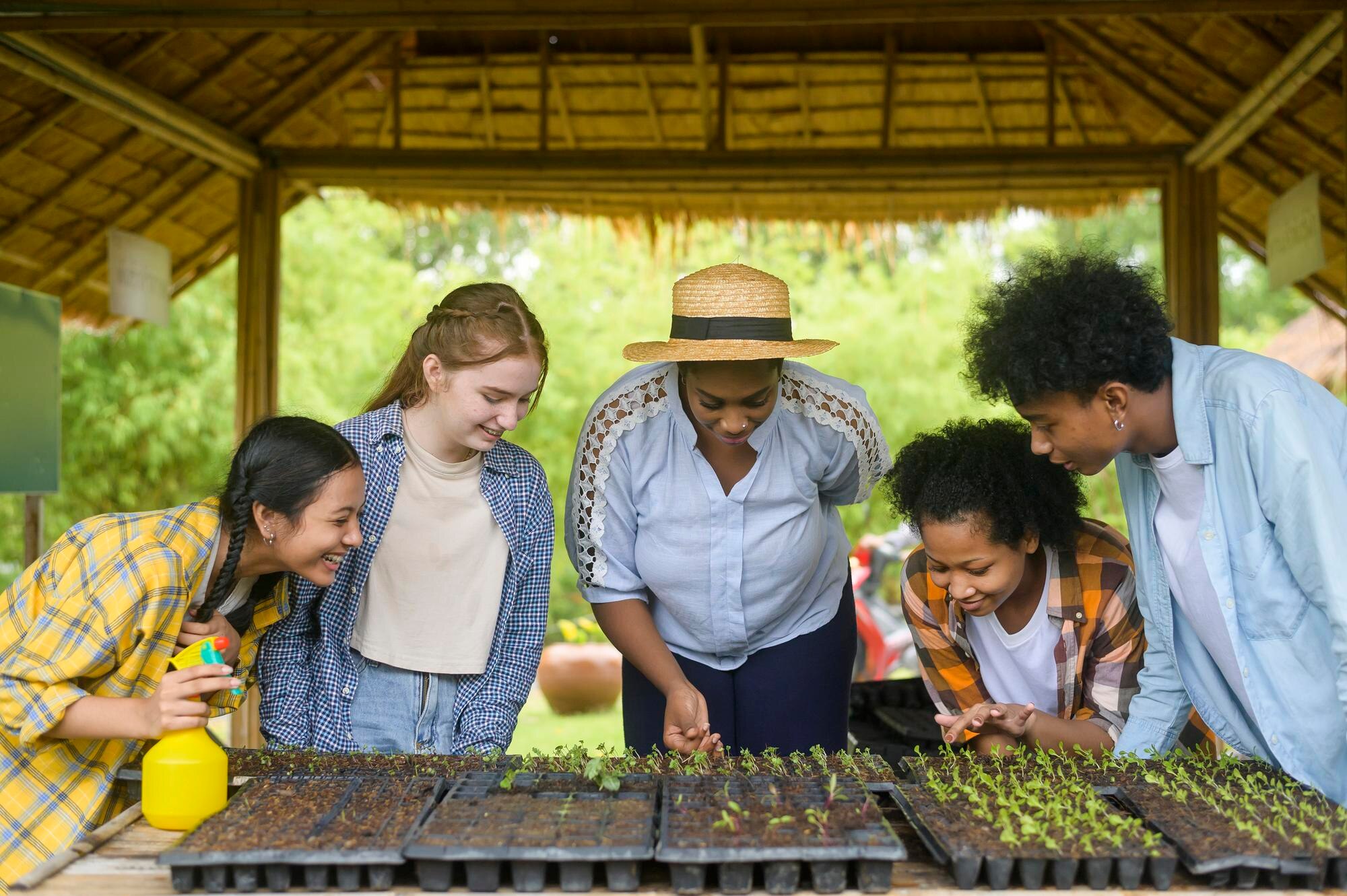
Empowering the next generation is crucial for the continued growth of agricultural awareness. By introducing children and teenagers to farming concepts early, we can inspire a lifelong appreciation for agriculture and sustainability. Let’s explore how to engage young minds in this important cause.
Support School Garden Programs
School garden programs are an excellent way to teach children about where their food comes from and the importance of sustainable practices. These programs offer a hands-on learning experience that combines science, health, and environmental education. Students can engage in activities such as planting seeds, tending to plants, and even harvesting produce.
Case Study: A primary school implemented a garden program in collaboration with local farmers. Over a semester, students learned about plant biology, nutrition, and the environmental impact of food production. The project culminated in a community harvest day, where students shared their produce with families.
Incorporate curriculum: Align garden activities with educational goals in science and health.
Involve the community: Invite parents and local experts to participate and support the program.
Celebrate milestones: Host events to showcase students’ progress and achievements.
Supporting school garden programs can foster a sense of responsibility and curiosity in young learners.
Discover how school gardens can transform education and community awareness.
Encourage Youth Agricultural Clubs
Youth agricultural clubs, like 4-H or FFA, provide young people with opportunities to explore agricultural interests outside the classroom. These clubs often focus on leadership, public speaking, and project-based learning, equipping members with skills that extend beyond agriculture.
In a local 4-H club, members might engage in projects like raising livestock, growing vegetables, or developing a community service initiative. Through these activities, they learn about teamwork, responsibility, and the importance of agricultural sustainability.
Provide mentorship: Connect club members with experienced farmers or agricultural professionals.
Encourage project presentations: Allow youth to share their projects with the community.
Foster leadership: Offer roles that encourage decision-making and initiative.
Encouraging youth agricultural clubs helps cultivate future leaders in sustainability and community support.
Learn how to get involved with youth agricultural clubs and support local farming education.
Building a Sustainable Future
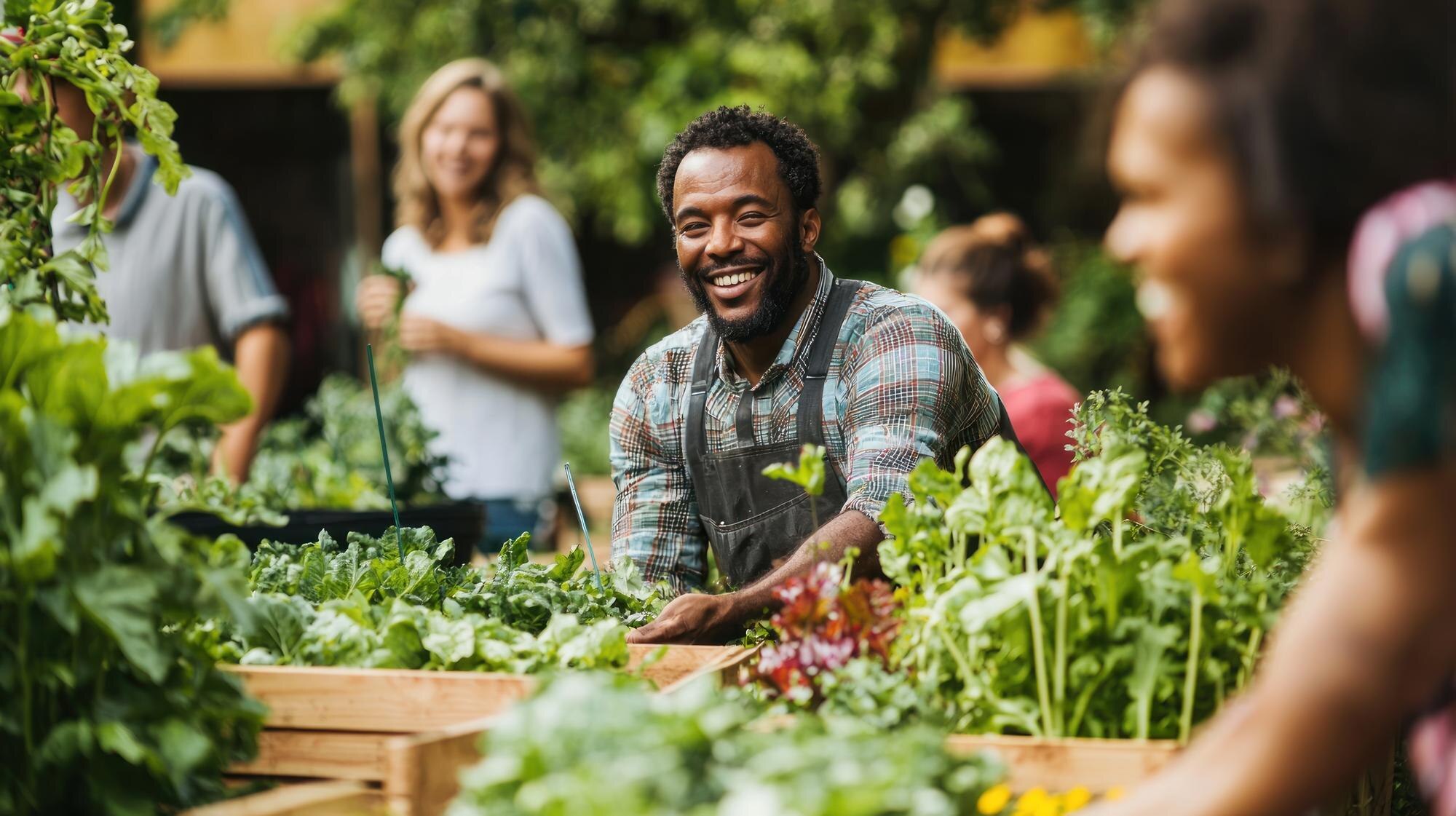
Building a sustainable future involves ongoing efforts to promote and support local farming while advocating for environmentally friendly practices. Communities can play a pivotal role by participating in and promoting initiatives that emphasize sustainability and agricultural education.
Promote Local Farmers’ Markets
Farmers’ markets are a cornerstone of community support for local farming. By shopping at these markets, consumers can reduce their carbon footprint, enjoy fresh produce, and support local farmers and artisans. Farmers’ markets also provide a platform for education and community engagement.
Real-world example: A neighborhood farmers’ market partnered with local schools to offer educational tours, teaching students about seasonal produce and sustainable farming practices. This initiative not only boosted market attendance but also increased community awareness of local agriculture.
Highlight seasonal produce: Educate consumers about the benefits of eating seasonally.
Engage with vendors: Encourage farmers to share their stories and farming techniques.
Create community events: Host cooking demonstrations or workshops at the market.
Promoting farmers’ markets can strengthen local economies and foster a more sustainable community.
Find out more about the benefits of supporting local farmers’ markets.
Advocate for Sustainable Practices
Advocating for sustainable practices is essential for creating a lasting impact on local agriculture. Communities can lead by example, adopting environmentally friendly methods and encouraging others to do the same. This advocacy can take many forms, from public education campaigns to supporting policies that benefit sustainable farming.
Data-driven insight: Communities that implement sustainability initiatives, such as composting programs or renewable energy projects, often see a reduction in waste and energy consumption.
Educate the public: Use social media and local events to raise awareness about sustainable practices.
Support policy change: Advocate for legislation that supports sustainable agriculture.
Lead community projects: Organize initiatives like tree planting or clean-up days.
By advocating for sustainability, communities can become leaders in the movement towards a healthier, more environmentally friendly future.
Learn how to advocate for sustainable practices and support agricultural awareness.