Boost Employee Morale with Our Innovative Training Approaches
Boosting employee morale is key to fostering a thriving workplace, and finding new ways to engage your team can make all the difference. It’s no secret that happy employees are more productive, and that’s where our innovative training programs come in. With a blend of professional development and a touch of edutainment, we offer an approach that not only educates but also entertains. Imagine a workspace where learning is fun and employees are excited to participate—sounds great, right? Join us as we explore how these training methods can enhance workplace engagement and uplift your team’s spirits. 🌟
Engaging Training Techniques

Engaging your team with dynamic training techniques can significantly boost morale and productivity. By incorporating interactive and entertaining elements, training becomes more than just a routine task. It transforms into an opportunity for growth and collaboration. Let’s explore two exciting methods that can enhance employee engagement: interactive workshops and gamified learning experiences.
Interactive Workshops for Growth
Interactive workshops are a great way to break the monotony of traditional training. They encourage participation and allow employees to actively engage with the material. These workshops often involve group activities, discussions, and hands-on tasks that stimulate learning.
For example, a company might host a workshop on effective communication. Participants could be divided into teams to tackle real-world scenarios, promoting teamwork and creative problem-solving. This method not only reinforces the material but also fosters camaraderie among employees.
To organize a successful interactive workshop:
Identify the key objectives and outcomes.
Design activities that align with these goals.
Facilitate discussions to deepen understanding.
Workshops are a powerful tool for personal and professional development, making learning a collaborative and enjoyable process.
Gamified Learning Experiences
Gamification adds an element of fun to the learning process by incorporating game-like features into training. This approach engages employees by making learning more interactive and rewarding. Games can range from simple quizzes to complex simulations that mimic real-world situations.
Studies have shown that gamified learning can increase motivation and retention rates. Employees are more likely to engage with the content when they see it as a challenge to overcome. For instance, a sales team might use a leaderboard to track progress and reward top performers, creating a sense of healthy competition.
Consider these tips for gamified learning:
Define clear objectives and rules.
Incorporate rewards for achievements.
Provide feedback to guide improvement.
By using gamification, companies can create a dynamic and enjoyable learning environment that promotes continuous growth.
Fostering Workplace Engagement
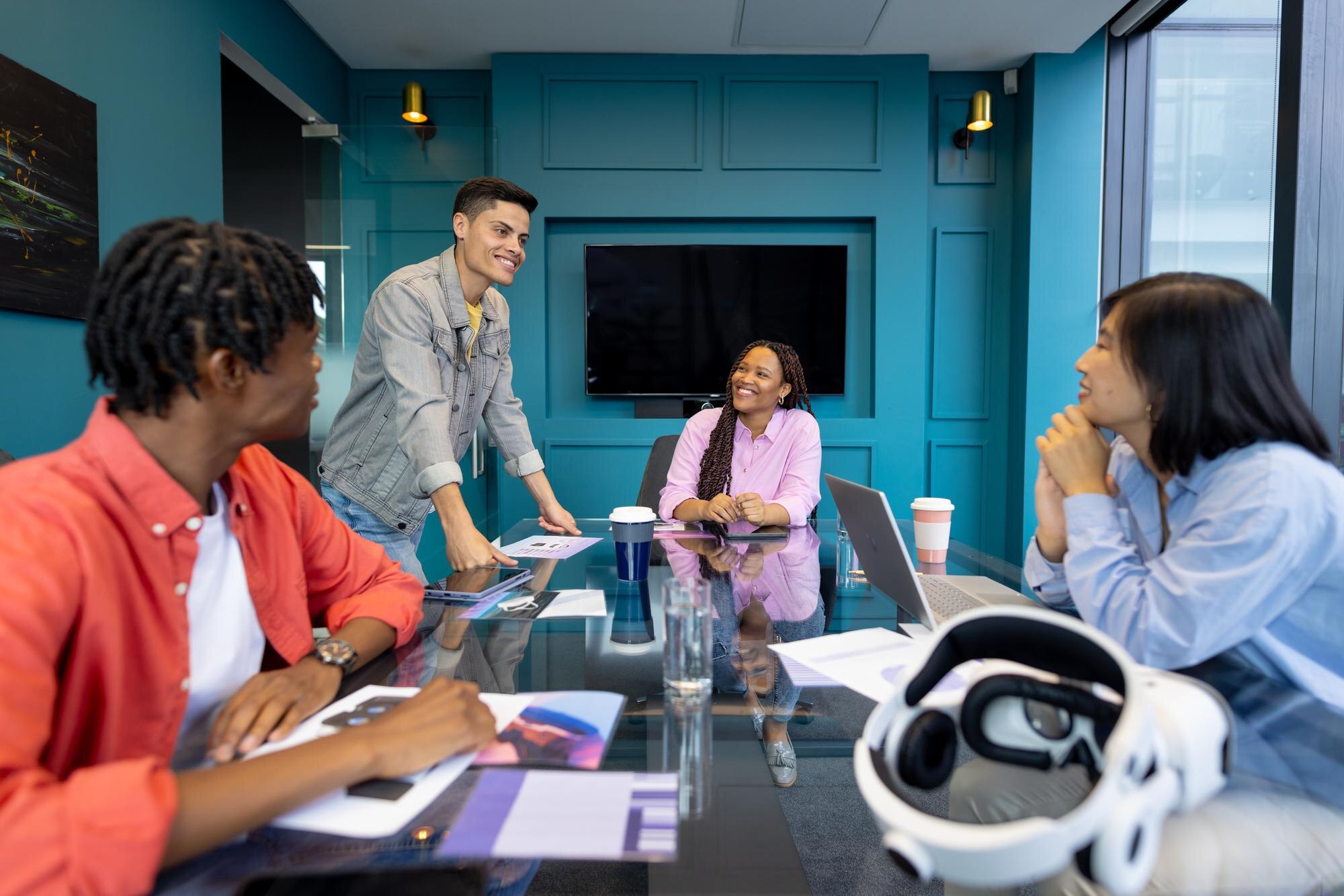
A positive workplace environment is crucial for maintaining high levels of employee morale and engagement. Encouraging collaboration and fostering a supportive atmosphere can lead to a more motivated and productive team. Let’s look at how building a positive environment and encouraging team collaboration can make a difference.
Building a Positive Environment
Creating a positive environment starts with recognizing and appreciating employee contributions. This can be achieved through regular feedback and recognition programs. When employees feel valued, they are more likely to be engaged and motivated.
According to Forbes, fostering happiness at work involves open communication and a supportive atmosphere. For instance, scheduling regular check-ins allows managers to address concerns and celebrate successes, reinforcing a culture of trust and respect.
Key strategies for a positive workplace:
Recognize achievements publicly.
Promote open communication and feedback.
Encourage a healthy work-life balance.
By prioritizing a positive environment, companies can enhance employee satisfaction and overall workplace morale.
Encouraging Team Collaboration
Team collaboration is essential for achieving organizational goals and enhancing employee engagement. Fostering teamwork involves creating opportunities for employees to work together and share ideas. This not only improves problem-solving but also builds stronger relationships within the team.
For example, companies can implement cross-departmental projects to encourage collaboration. This approach allows employees to gain diverse perspectives and develop new skills. As highlighted by LumApps, collaboration tools like shared digital workspaces can facilitate seamless communication and cooperation.
Strategies for promoting collaboration:
Create cross-functional teams for projects.
Use collaboration tools to enhance communication.
Organize team-building activities to strengthen bonds.
By encouraging team collaboration, businesses can foster a culture of innovation and connectivity.
Benefits of Professional Development

Professional development is key to boosting employee morale and enhancing personal growth skills. By investing in training and development, companies can ensure their workforce is equipped to meet future challenges. Let’s explore how these benefits translate into increased morale and personal development.
Boosting Employee Morale
Professional development opportunities play a crucial role in boosting morale. When employees see a path for growth, they are more likely to be engaged and motivated. Training helps them acquire new skills and gain confidence in their abilities.
According to Achievers, offering continuous learning can lead to higher job satisfaction and retention rates. For instance, providing mentorship programs allows employees to learn from experienced colleagues, creating a supportive learning environment.
Benefits of boosting morale through development:
Improved job satisfaction and retention.
Increased confidence in job roles.
Enhanced skill set for career advancement.
Investing in professional development is a win-win for both employees and organizations.
Enhancing Personal Growth Skills
Professional development also enhances personal growth skills. This includes improving communication, leadership, and problem-solving abilities. By focusing on these areas, employees are better equipped to handle challenges and contribute to their organization’s success.
For example, training programs that focus on leadership development can prepare employees for managerial roles. Pollack Peacebuilding emphasizes the importance of developing emotional intelligence and conflict resolution skills, which are crucial for effective leadership.
Actionable steps to enhance personal growth:
Provide leadership training and workshops.
Encourage self-assessment and reflection.
Offer resources for continuous learning.
By prioritizing personal growth, companies can empower their employees and ensure long-term success.